 2 Sep
2 Sep
Home News The Greatest Value of Events May Be What Doesn’t Show Up in the Accounts
The Greatest Value of Events May Be What Doesn’t Show Up in the Accounts
Uncategorized 28 August 2026
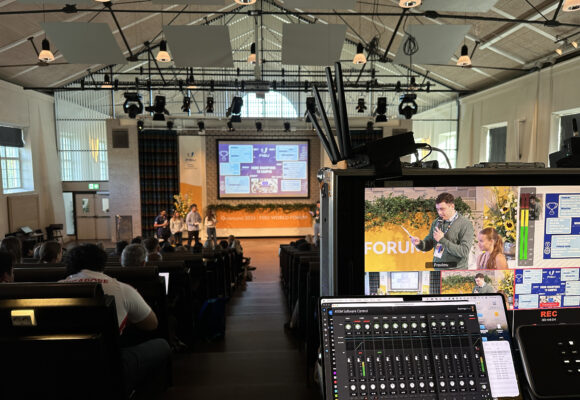
As researchers, decision-makers and representatives from university sport gathered at the FISU World Forum in Östersund, attention turned to a question that is becoming increasingly important for the future of events: what value is actually created beyond the economic impact?
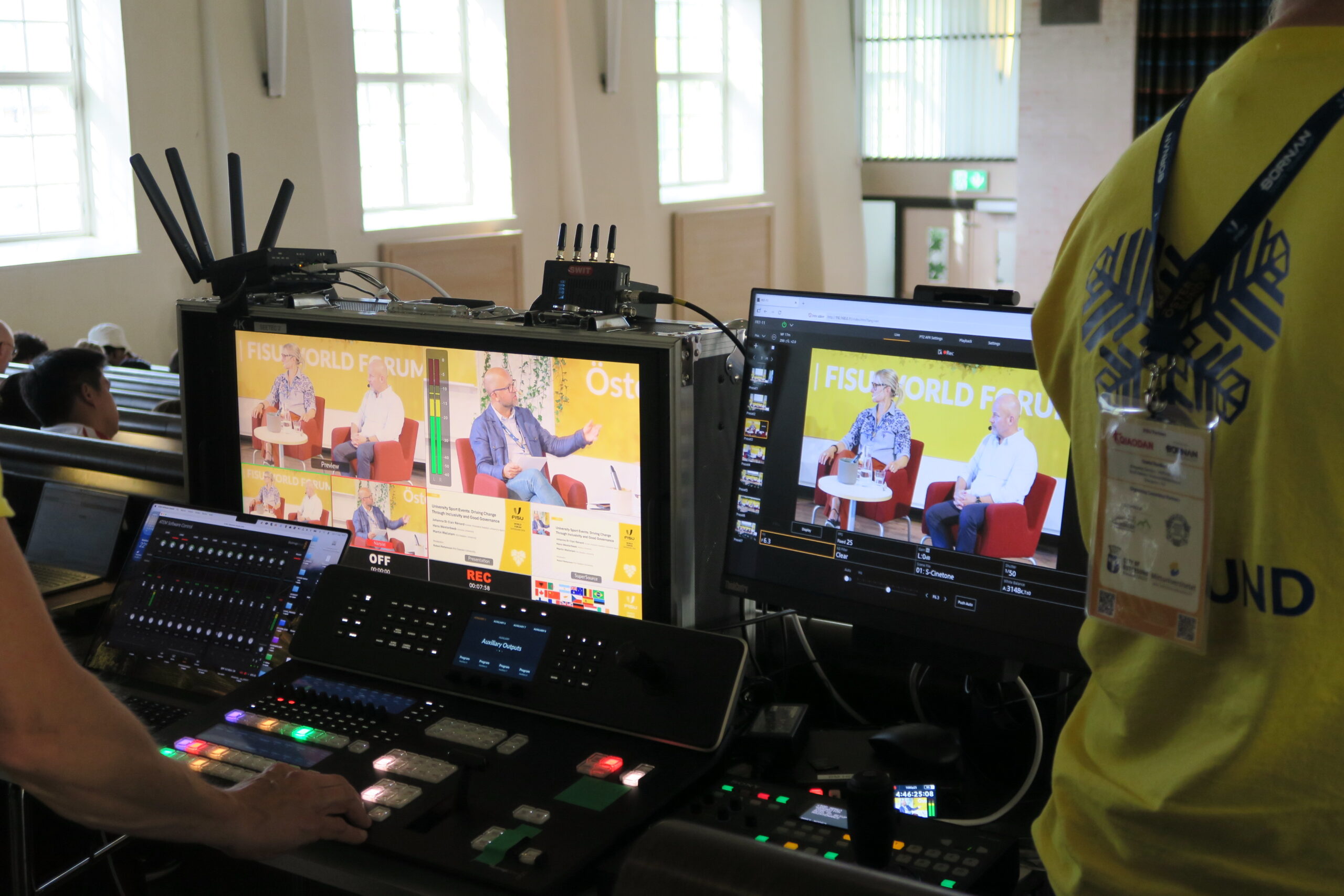
During a panel discussion led by researchers from ETOUR, Mid Sweden University’s Centre for Tourism Research, participants discussed how sporting and university sports events affect people, communities and destinations long after the medals have been awarded.
Traditionally, the focus has often been on economic impacts such as turnover, hotel stays and tourism revenue. However, according to the panel moderator Robert Pettersson, Director of ETOUR, it is high time that greater attention was given to social impacts.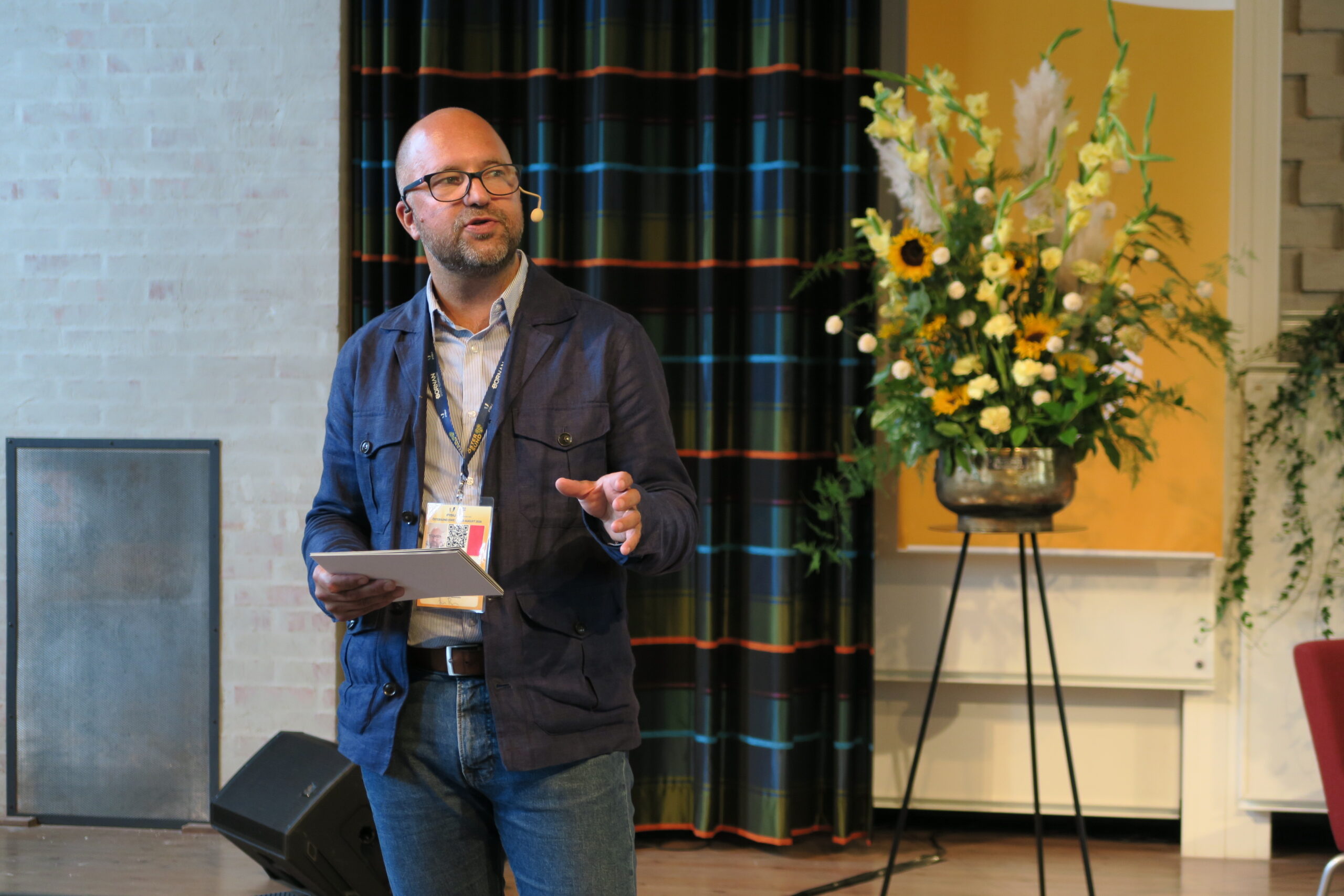 “For many years, the focus has been on the economic impacts of events. It is therefore encouraging that we are now able to devote greater attention to the social impacts. Our researchers at ETOUR have been studying these effects for a long time and have developed methods for measuring them. In a time marked by geopolitical uncertainty and instability, the social impacts of events appear more important than ever, responding to people’s need for community and belonging,” he said.
ETOUR is Sweden’s leading centre for tourism research and one of Europe’s largest research environments in the field. Its international research community, comprising more than 40 researchers and staff from around 20 countries, conducts research in close collaboration with the visitor economy. Areas of study include destination development, event tourism, sustainability, and the social impacts created by tourism and events.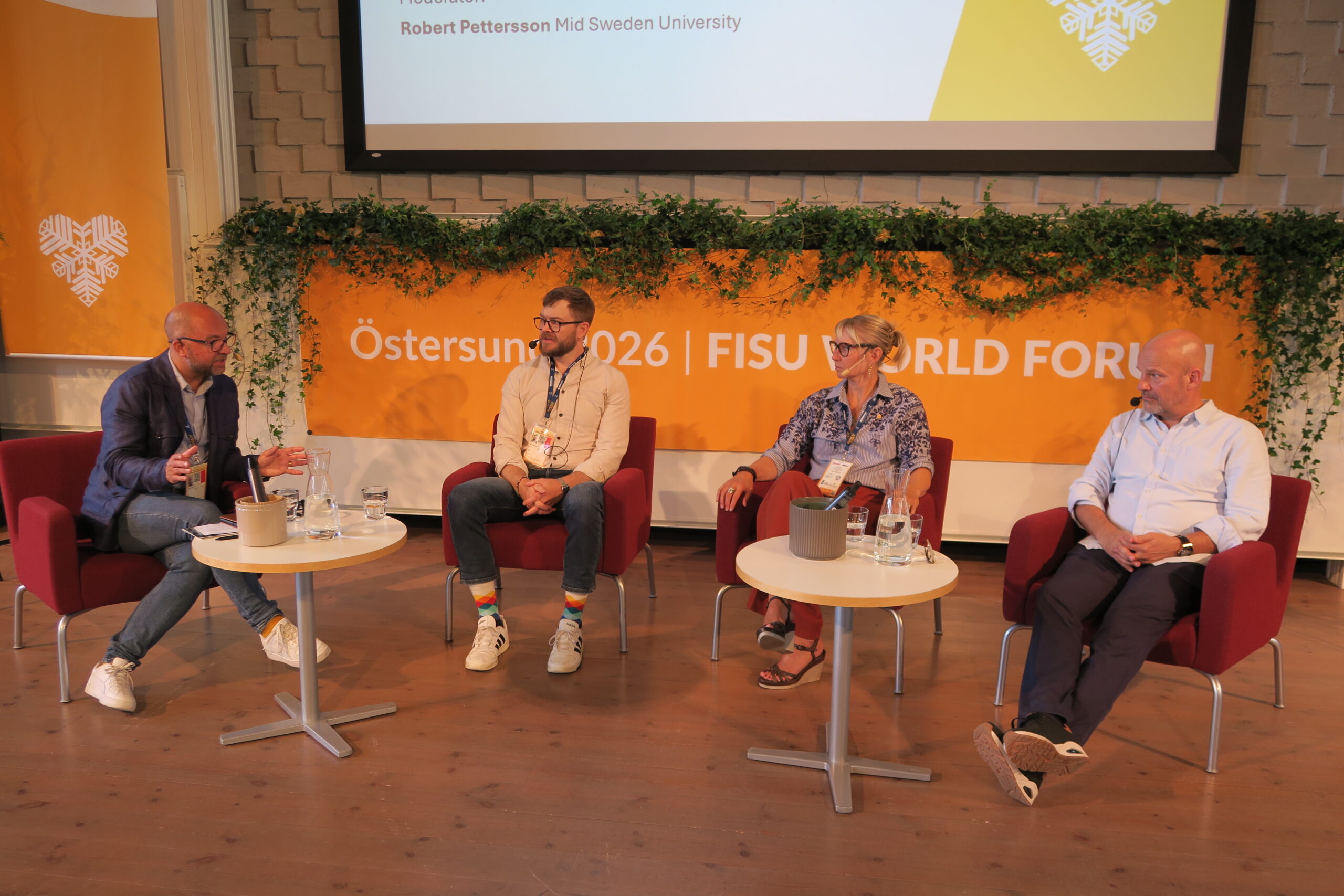 The panel featured the morning’s two keynote speakers, Johanna St Clair Renard, former President of the Swedish University Sports Association (SAIF), and Hans Westerbeek, Professor at Victoria University, alongside Martin Wallstam, researcher at ETOUR. The discussion focused on the challenges and opportunities facing university sports events.
Martin Wallstam, a researcher in tourism studies, noted during the discussion that social impacts are considerably more difficult to measure than economic ones.
“Economic impacts can be measured in monetary terms. Social impacts are more difficult to study, but they encompass everything from participation and volunteering to the way events inspire people to take up a particular sport,” he said.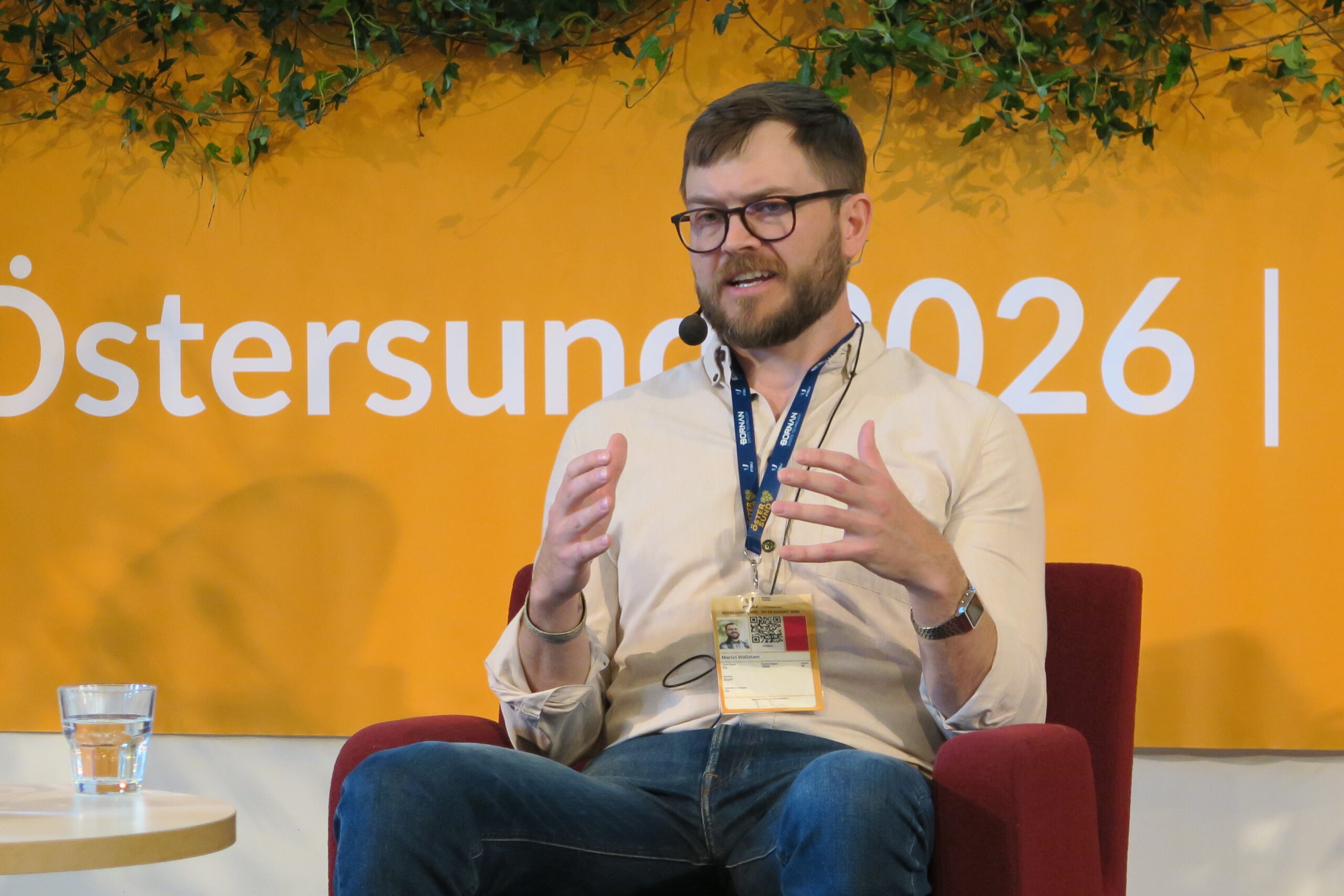 The importance of volunteers was highlighted as a clear example. In addition to being essential for the delivery of many events, research shows that volunteering often leads to improved quality of life and encourages people to become involved in other community activities.
A concrete example from this year’s forum came from a 71-year-old volunteer who, according to Johanna St Clair Renard, told her that he had improved his English by driving participants during the FISU event.
“It demonstrates that the impacts can be personal and long-lasting in ways that are difficult to capture in traditional evaluations,” she said.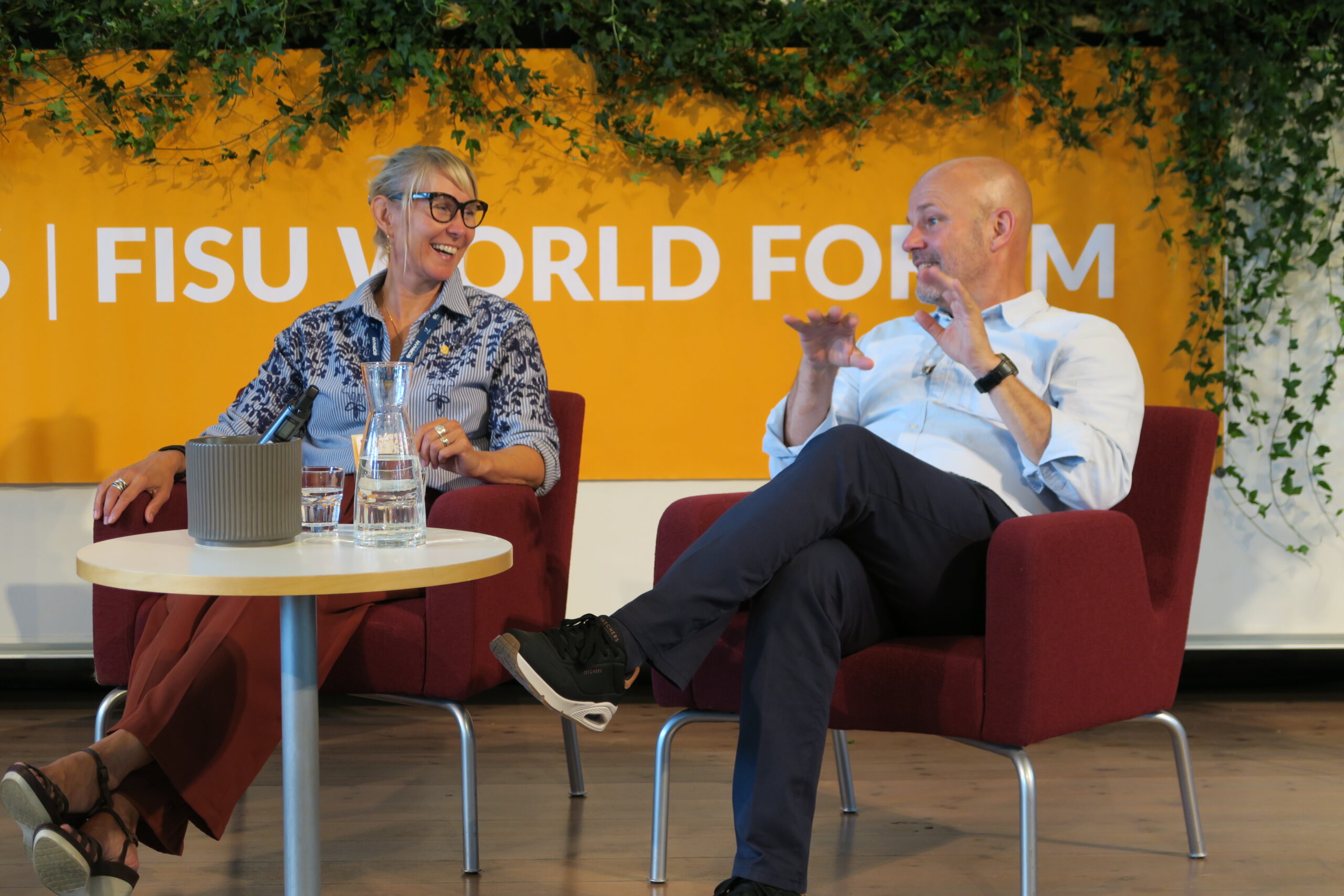 One shared conclusion from the discussion was that the events of the future cannot be assessed solely through economic indicators. To understand their true significance, there must also be an appreciation of people’s experiences, social relationships, and the development that takes place within the wider community.
The panel also explored the future of university sport. Will the world see more or fewer university sports events in five years’ time?
The audience tended to believe that the number of events will increase, but Hans foresaw a more complex development.
“There may well be more events, but perhaps they will be smaller, more frequent and more accessible. We envisage flexible pop-up events that fit into people’s increasingly complex lifestyles,” he said.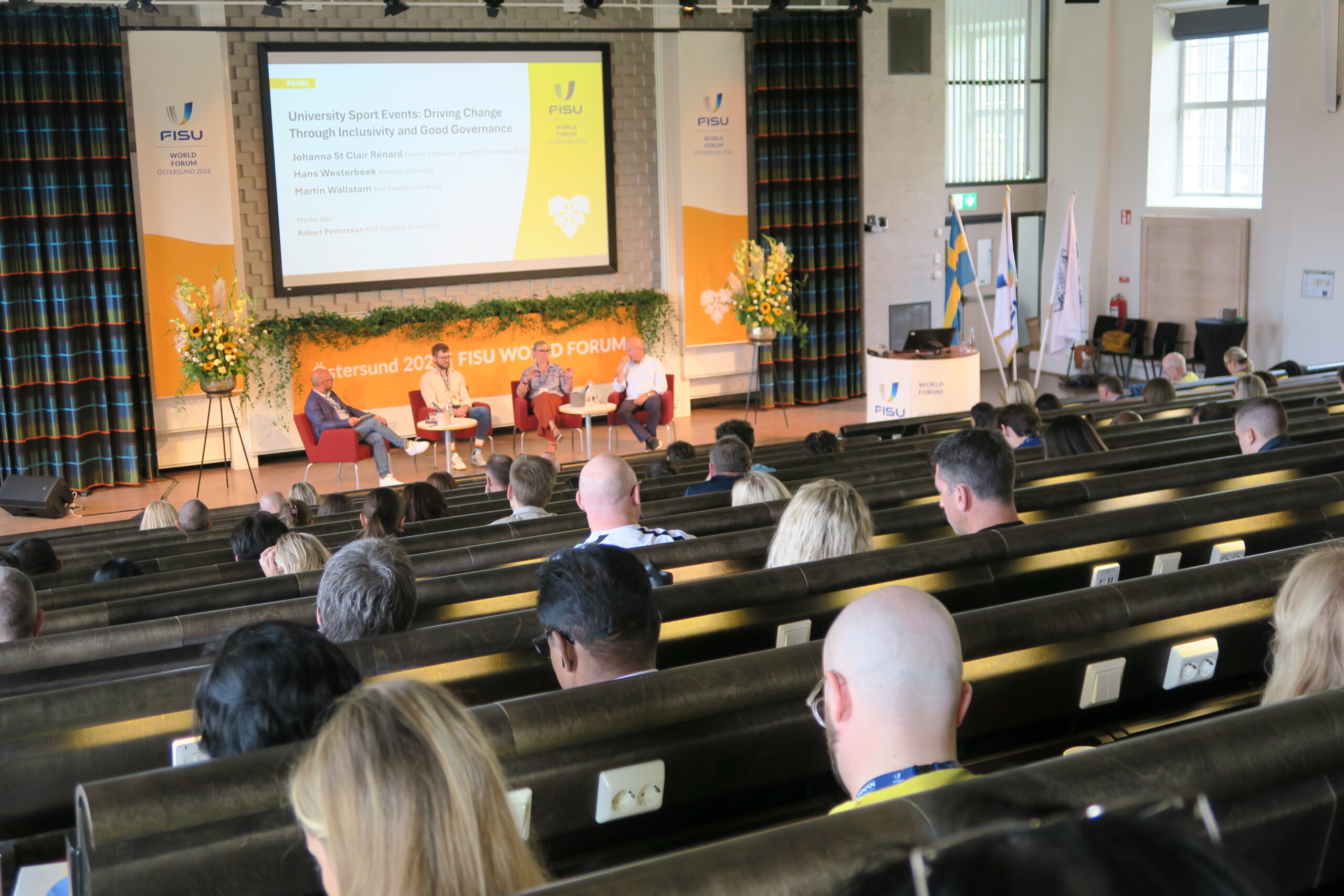 At the same time, several panellists argued that organisers need to become better at demonstrating the value that events actually create.
“We cannot take public support for granted. We need to do a better job of explaining why the costs are worth bearing,” said Martin Wallstam.
These are precisely the kinds of questions that lie at the heart of ETOUR’s research, which aims to provide decision-makers and event organisers with better tools for understanding the impact that events have on both people and places.