 2 Sep
2 Sep
Home News Unique laboratory facilities sparked great interest at the forum
What does it feel like to face a powerful headwind in a wind tunnel? How do researchers measure a skier’s performance capacity or test the functional sportswear of the future? During the FISU World Forum, participants from around the world gained a unique insight into two of Mid Sweden University’s advanced research environments.
Visits to the National Winter Sports Centre (NVC) and the Sports Tech Research Centre (STRC) in Östersund provided a tangible picture of the research and development carried out at the university, and how the laboratories are used to improve performance, health, and the products of the future for sport and outdoor activities.
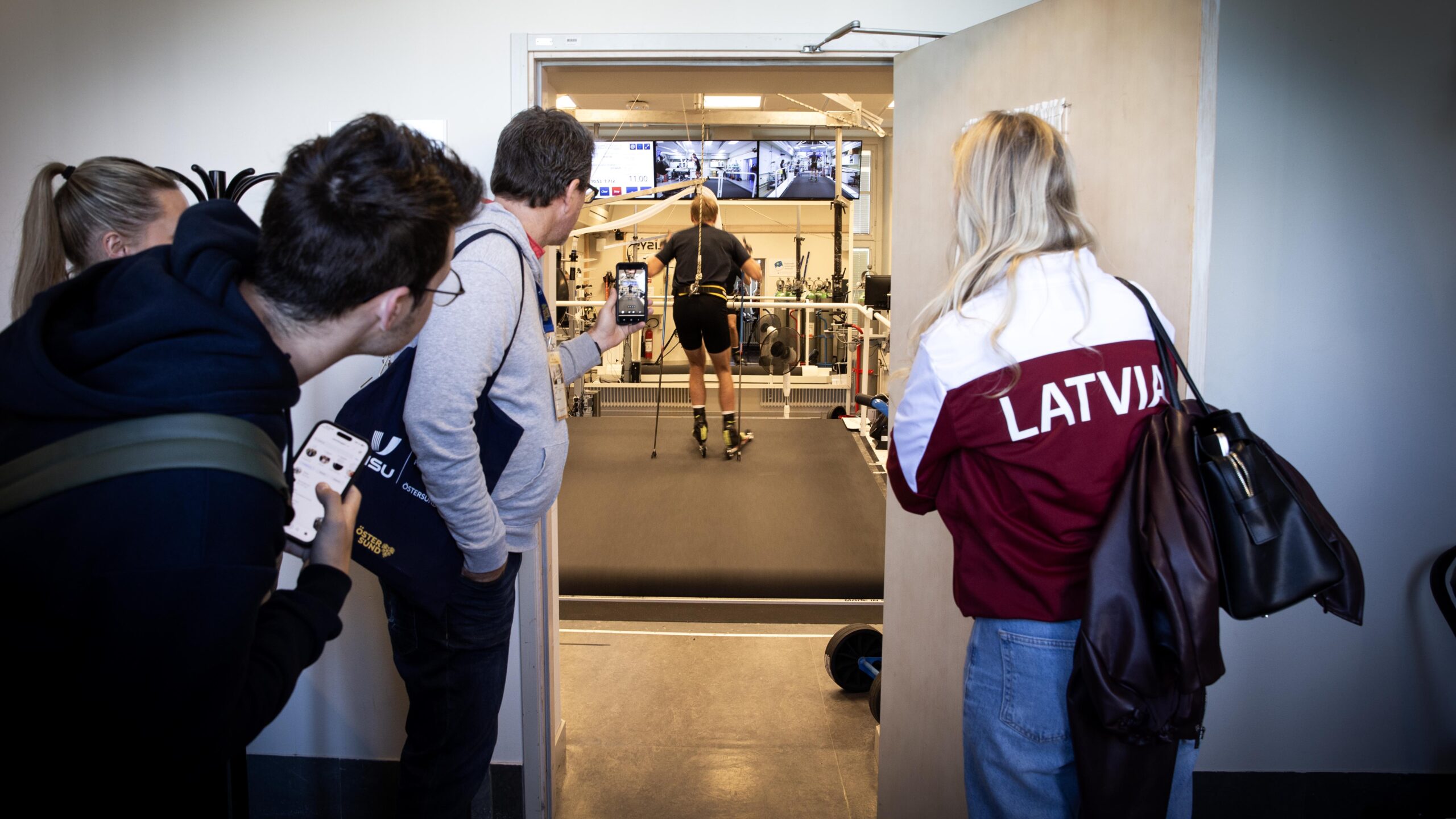
“We are one of the world’s leading centres for ski research and Sweden’s Olympic testing centre for winter sports. Our facilities bring together elite athletes, researchers and students, and this is where advanced physiological testing, biomechanical analyses and research on endurance, health and performance are conducted,” says Glenn Björklund, Director of the National Winter Sports Centre.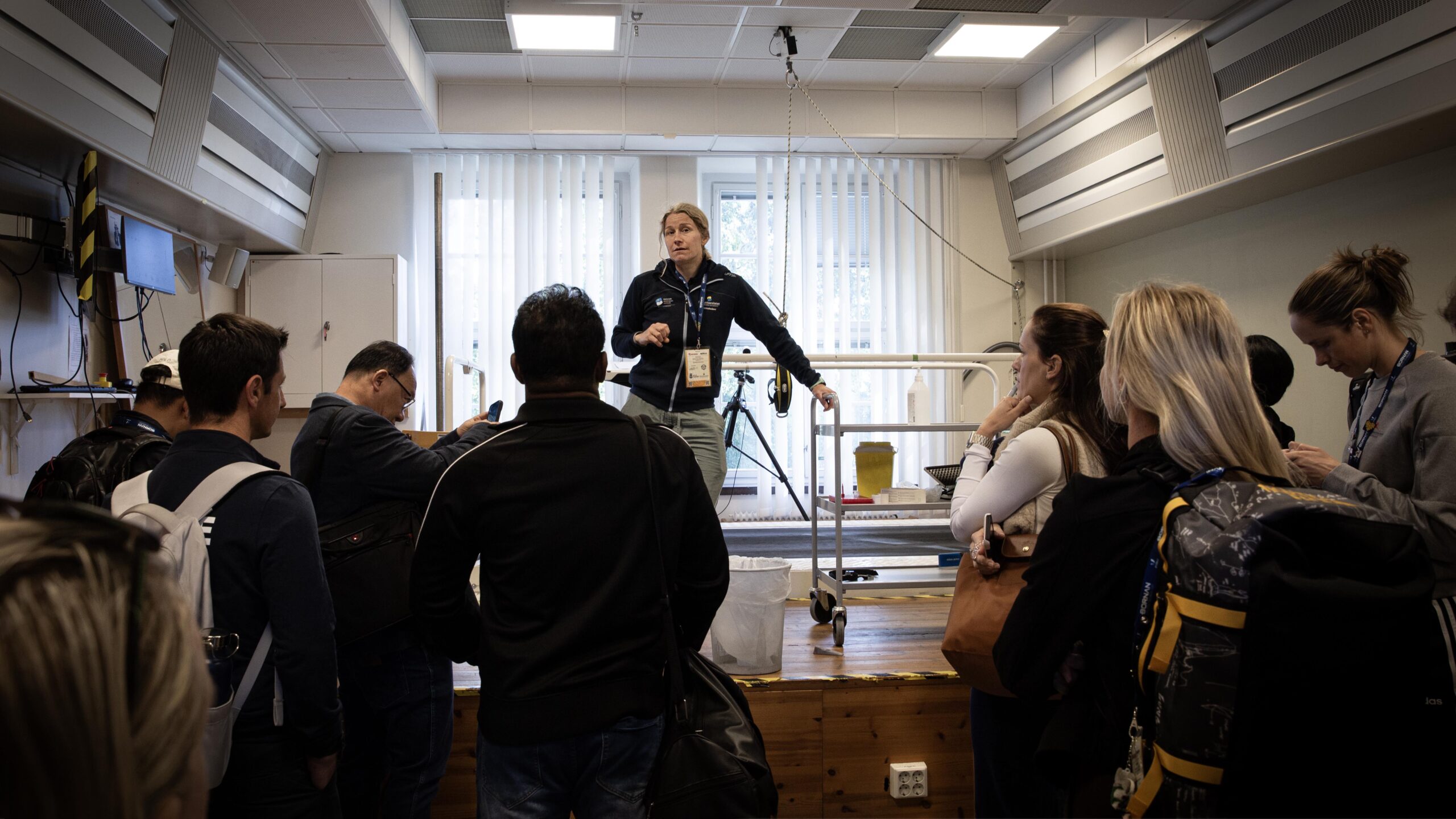 NVC’s research environment includes a physiological testing laboratory, a climate chamber and a diving laboratory. By combining research in physiology and biomechanics, researchers can generate new knowledge about the factors that influence human performance, both in laboratory settings and out on training and competition arenas.
“Our facilities are used by national team cross-country skiers and biathletes, as well as recreational athletes and companies seeking to develop and test new products,” says Martina Höök, researcher at Mid Sweden University and the National Winter Sports Centre.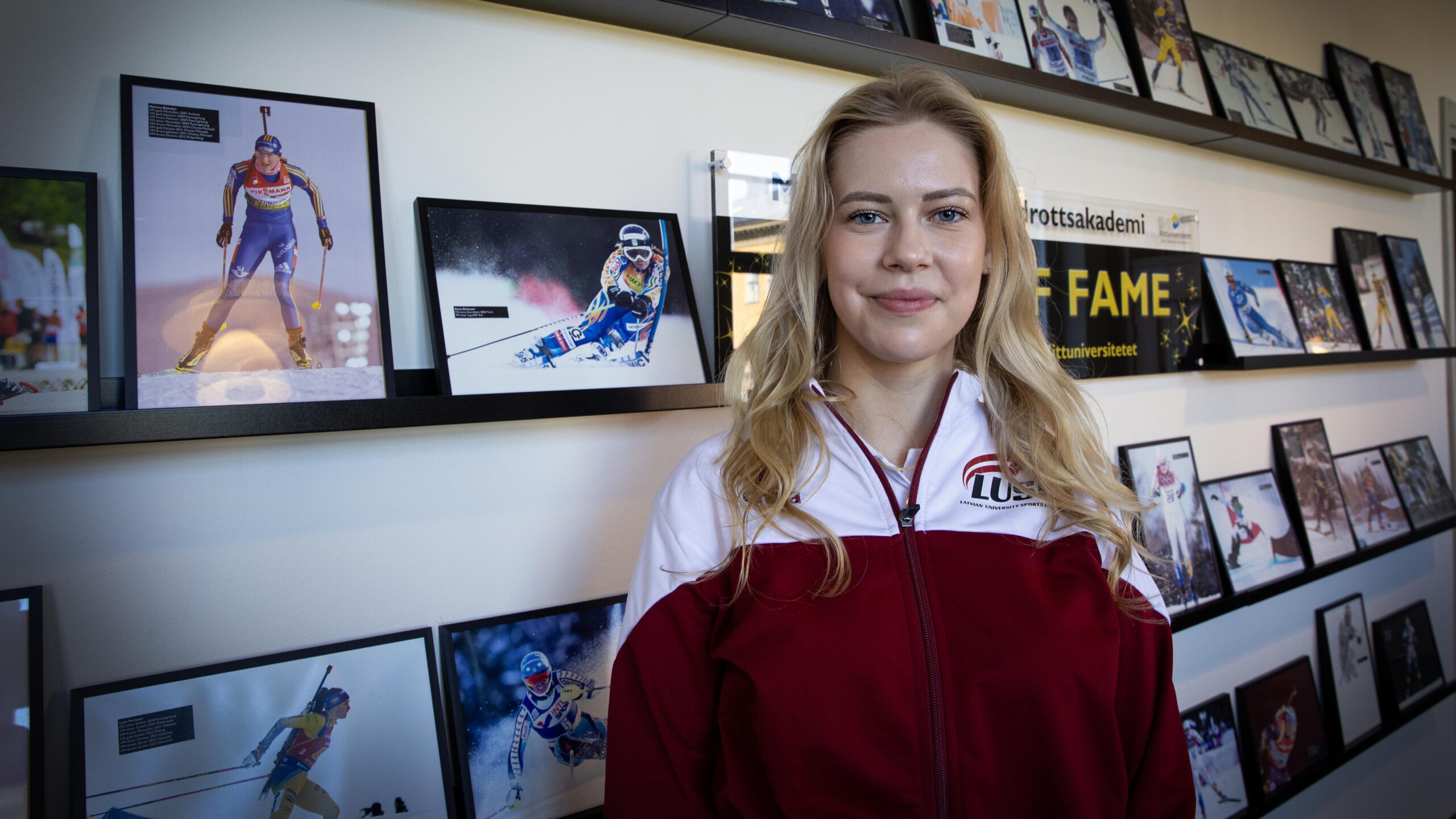 One of the visitors was Patricija Plenkova from the Latvian University Sports Federation.
“It was very interesting. In my previous role, I worked with biathletes, and I now realise that we do not have the same resources available to our elite athletes as they have here,” she says.
At the Sports Tech Research Centre, participants were introduced to some of the most technologically advanced laboratory facilities at Mid Sweden University. The centre conducts interdisciplinary research on materials, products and technologies for applications in sport, the outdoor sector and medical technology.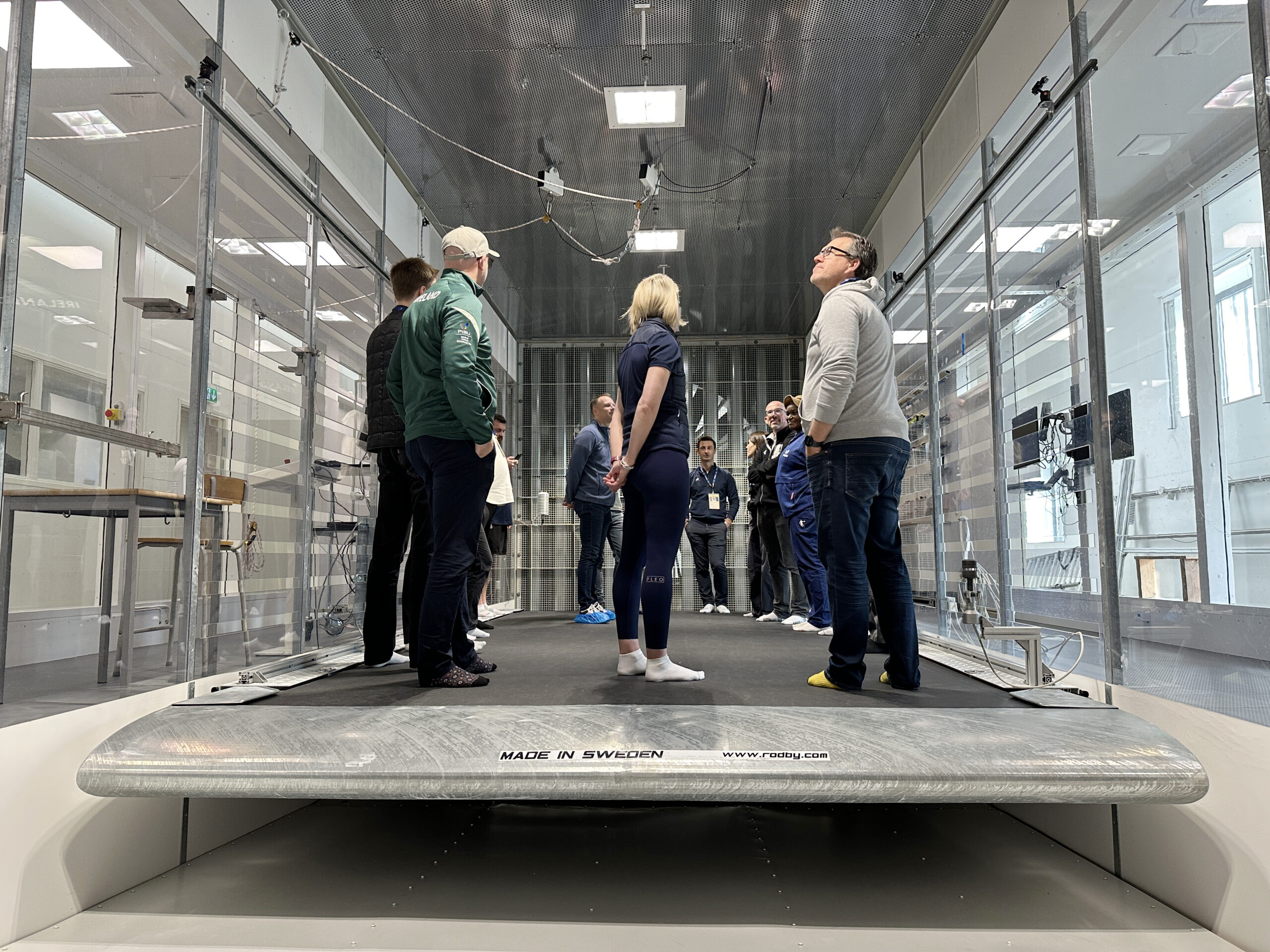 Particular interest was generated by the world-unique wind tunnel, where researchers can simulate real-life conditions involving wind, temperature, precipitation and movement. It houses one of the world’s largest research treadmills, making it possible to study everyone from runners and cyclists to roller-ski athletes and wheelchair racers.
“The groups had the opportunity to experience what it feels like to be a test subject in the wind tunnel and learned about the latest developments in materials for sports equipment in our materials testing laboratory,” says Judith Waller, researcher at the Sports Tech Research Centre.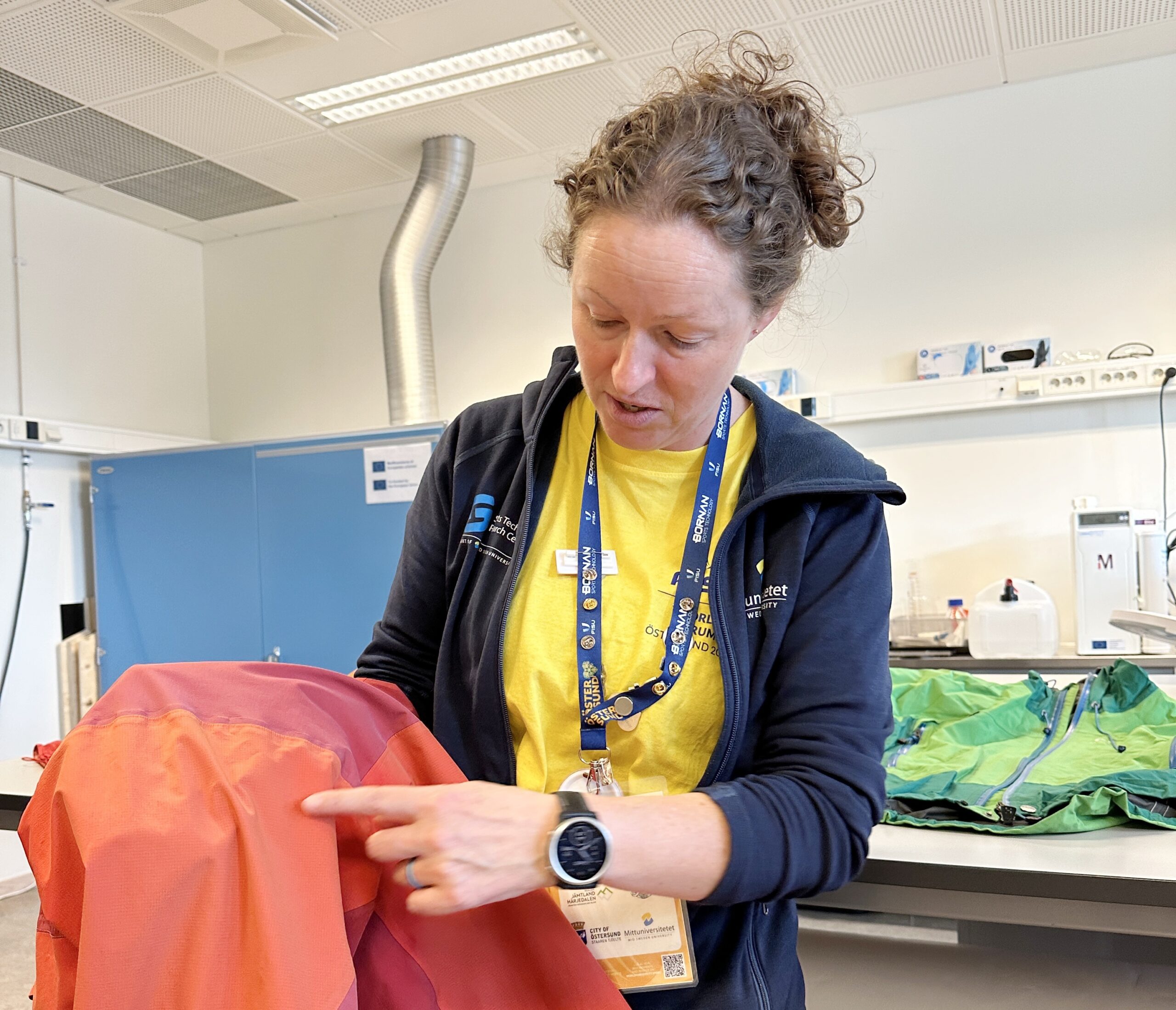 Within the same environment, researchers can analyse the interaction between the individual, their equipment and the surrounding environment using advanced measurement technologies for energy expenditure, moisture transport, force production and thermoregulation. Judith Waller explains that visitors also learned about research on aerodynamic optimisation and the development of new testing methods for functional clothing.
“These are tests that genuinely replicate how garments are used in real-life conditions. This leads to improved product performance and greater long-term durability,” she says. For participants, the visits provided an opportunity to see how research, education and innovation can be integrated within the same environment. For Mid Sweden University, the FISU World Forum also offered a chance to showcase two of the university’s research centres and the infrastructure that attracts international researchers, elite athletes and companies from around the world to Östersund.